


PALM BEACH COUNTY, Fla. — Investigators are scrambling for answers following a devastating aviation disaster on Sunday, November 1, 2026, when a Bombardier Learjet 60 carrying nine people nosedived into a residential neighborhood in South Florida, resulting in zero survivors. U.S. Transportation Secretary Sean Duffy and Florida Governor Ron DeSantis confirmed that all occupants on board perished in the cataclysmic crash, which miraculously missed nearby homes before leaving a deep crater in the ground.
As federal authorities from the Federal Aviation Administration (FAA) and the National Transportation Safety Board (NTSB) launch a rigorous probe, aviation experts and investigators are left baffled by a series of contradictory data points, harrowing air traffic control (ATC) audio, and disturbing visual evidence.
A Puzzling Flight Path Into a Storm
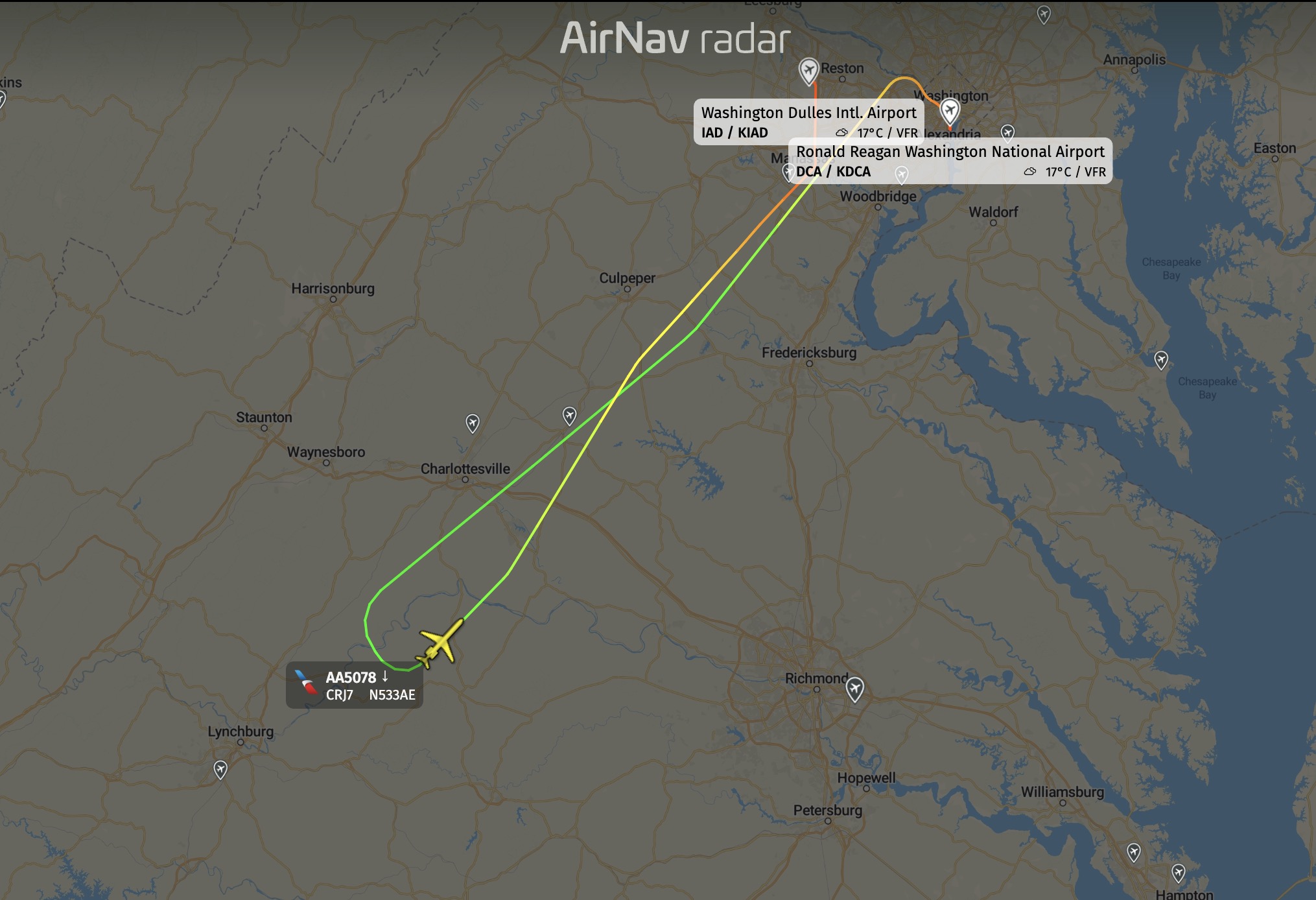
Flight tracking data from Flightradar24 paints a perplexing picture of the aircraft’s final moments. Up until the final stretch, flight telemetry showed exemplary piloting skills, with the crew successfully navigating and meticulously avoiding bad weather along almost the entire track from their departure in Texas.
However, for reasons that remain entirely inexplicable, the aircraft suddenly executed a significant right-hand turn directly into a storm cell. While the weather system did not initially appear overly severe from external radar perspectives, something catastrophic went wrong either immediately prior to or upon penetration of the storm, instantly upending the flight.
Frantic Final Moments and Staggering Descent Rates
Audio recordings capturing communications between the cockpit and air traffic control reveal a rapid, terrifying deterioration of the flight.
Initially, the pilot reported encountering light, clear ice that was manageable, alongside moderate turbulence. Within moments, however, the situation escalated beyond control as the crew encountered heavy precipitation, requested an immediate climb, and formally declared an emergency.
The gravity of the mechanical and aerodynamic distress became painfully clear as the pilot broadcasted frantic updates to the tower:
“We’re descending 8,000 – mayday, mayday – we’re descending 10,000 feet per minute.”
“We are in an overspeed condition descending 20,000 feet per minute… We’re going to crash into the ground.”
Visual Mystery: Were the Horizontal Stabilizers Missing?
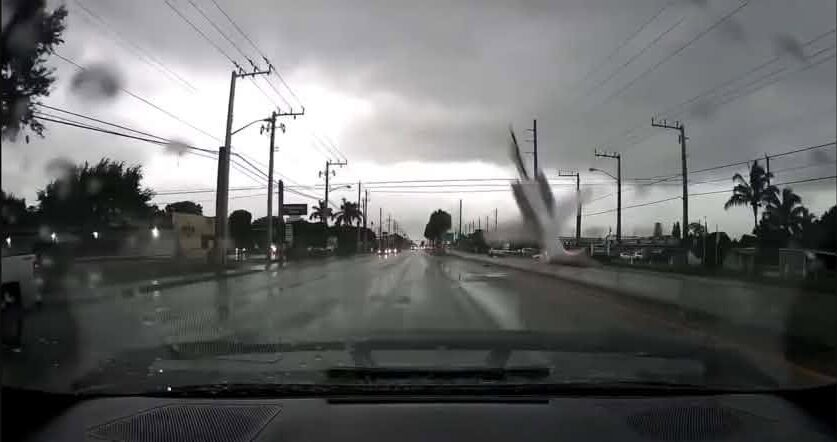
Adding to the mystery is harrowing dashcam footage captured from a vehicle near the crash site. The video shows the Learjet plunging vertically into the ground at an extreme velocity.
Upon analyzing the footage, aviation observers have raised a critical, unsettling question: Were the horizontal stabilizers missing?
Due to the high speed and grainy quality of the video, the tail section appears alarmingly smooth, leading some specialists to theorize that severe aerodynamic buffeting, structural overload from extreme icing, or an overspeed condition may have caused a catastrophic structural failure of the horizontal stabilizer mid-air. Without this crucial control surface, the aircraft would be rendered entirely uncontrollable, explaining the unrecoverable nosedive. However, due to video limitations, investigators have not yet confirmed whether the component detached before impact or was simply obscured.
Ongoing Investigation
As the NTSB sifts through the wreckage, debris field data, and recovered flight recorder information, the aviation community mourns the tragic loss of the nine lives on board. Determining whether structural icing, a mechanical detachment, or environmental forces triggered the rapid sequence of events remains the primary focus of one of the most complex aviation investigations in recent years.